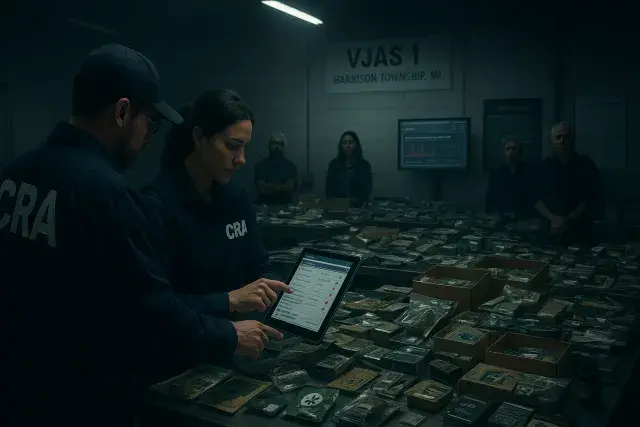
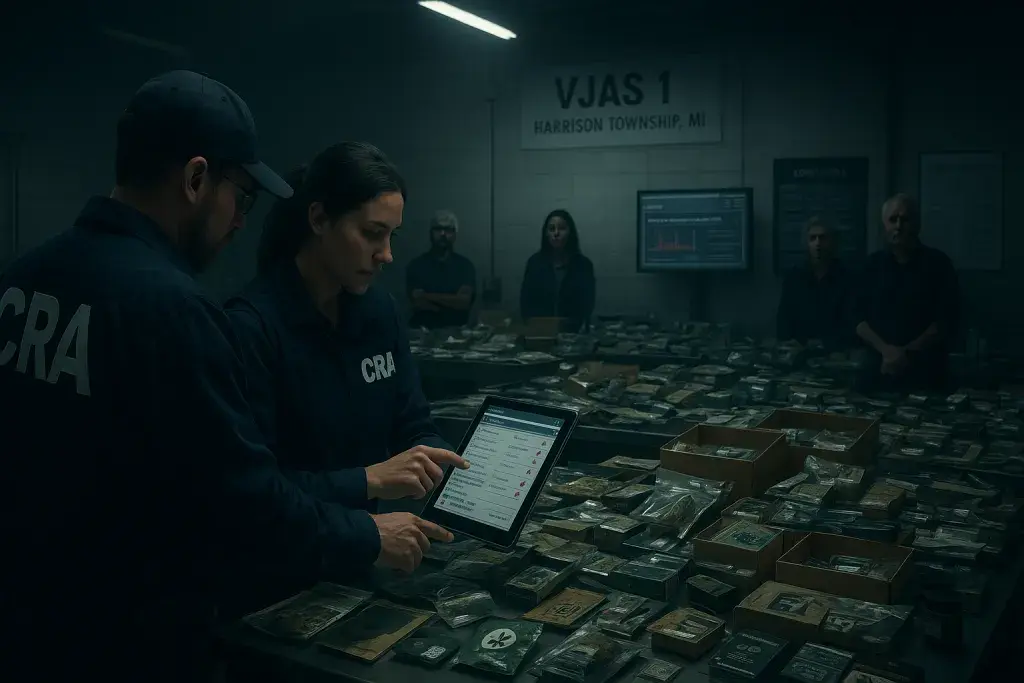
Michigan's Cannabis Regulatory Agency has filed a formal complaint against VJAS 1, a licensed cannabis processor operating in Harrison Township, after an inspection uncovered more than 12,000 individual cannabis products with no Metrc tags or other identifying information. Among those untagged products: items packaged in California-specific labeling, bearing the letters "CA" and consumer warnings that apply to California's regulatory framework - not Michigan's. The CRA is now pursuing fines and potential license suspension, revocation, restriction, or non-renewal.
Seed-to-sale tracking exists precisely to prevent situations like this. Every compliant cannabis product in a licensed Michigan facility is supposed to carry a Metrc tag that ties it to a specific batch, transfer record, and chain of custody - no exceptions. The presence of California-labeled packaging at a Michigan processor facility raises questions that go well beyond a recordkeeping lapse. For context, operators running a pos system for dispensary california understand that state-specific labeling requirements - including mandated warning language and packaging disclosures - are baked into the compliance workflow precisely because product provenance and jurisdiction matter. When those labels show up somewhere they shouldn't, it's a serious signal to investigators. Employees at the VJAS 1 facility, according to the CRA, were unable to explain how or why so many untagged products were present on-site.
What makes this case more damaging is the detail about the Metrc tags that investigators did find. Some products at the facility did carry proper tracking tags - but when regulators cross-referenced those tags against the state's tracking system, those items were supposed to be at other licensed cannabis businesses. That's not a clerical error. Metrc records are a live chain of custody. If a tagged product is physically located somewhere other than where the system says it should be, that means either an unreported transfer occurred, inventory was moved outside of proper channels, or the tracking record was manipulated. None of those explanations are benign.
What Seed-to-Sale Tracking Is Actually Designed to Catch
Regulated cannabis markets use mandatory tracking systems - Michigan uses Metrc, as do many other states - to monitor every unit of cannabis from cultivation through final sale. The logic mirrors alcohol and pharmaceutical distribution controls: accountability at every transfer point, with paper trails that regulators can audit. Licensed operators are required to log transfers, update inventory in real time, and reconcile physical stock against system records. When an inspection finds thousands of untagged units, the immediate question isn't just about paperwork. It's about where the products came from and how they moved.
The presence of out-of-state packaging - specifically products formatted for California's market - compounds that question. Interstate cannabis commerce remains federally prohibited. Cannabis cannot legally cross state lines, regardless of whether both states have adult-use programs. A Michigan processor holding California-packaged product with no tracking tags attached has, at minimum, a serious compliance failure on its hands. The more troubling read is that the products weren't manufactured in Michigan at all.
Licensing Exposure and What Operators Should Take From This
VJAS 1 now faces the full range of enforcement tools available to the CRA: fines, suspension, revocation, license restriction, and refusal to renew. That's not boilerplate. For any cannabis processor, license loss is an existential outcome - not just operationally, but financially. Processing licenses represent significant capital investment and ongoing regulatory standing. Losing one, or having it suspended during a complaint proceeding, disrupts supply relationships, strands employees, and exposes investors.
The operational lesson here is blunt. Unresolved inventory discrepancies - even ones that seem minor - create regulatory surface area. An operator who can't explain what's in their facility, or why Metrc shows products somewhere they aren't, has already lost control of its compliance posture. Routine internal audits that reconcile physical inventory against tracking system records aren't optional overhead; they're the basic infrastructure of a defensible operation. The thing is, most enforcement actions don't begin with fraud. They begin with someone not checking the numbers.
For the broader Michigan market, this case is a reminder that the CRA's inspection program is active and that inspectors know what compliant packaging looks like - including when it belongs to another state entirely.