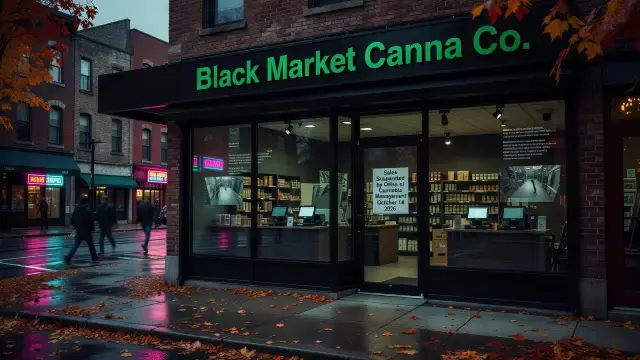
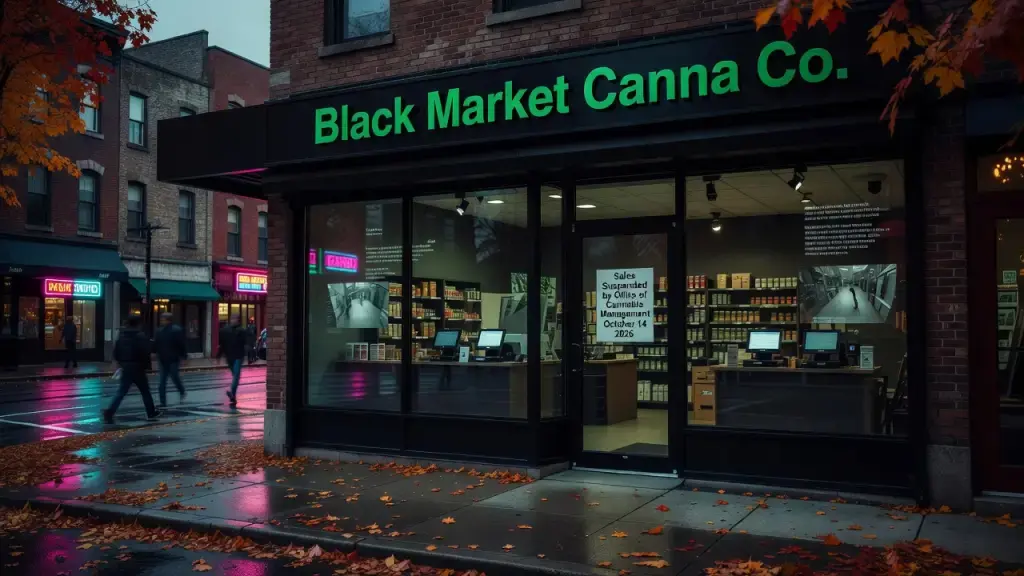
New York regulators have suspended sales at Black Market Canna Co., Dutchess County's first licensed adult-use dispensary, after an investigation the state says uncovered a risk to public safety. The suspension order, issued by the Office of Cannabis Management on October 14, 2026, lands as the shop's owner, Ali Khan Lodhi, sits in federal detention facing a felon-in-possession firearms charge and allegations that he tried to arrange the killing of a business partner. The dispensary's storefront on Main Street in Poughkeepsie is dark for now, but the paperwork behind that closed door tells a far messier story than a routine compliance hiccup.
What the Suspension Actually Does - and Doesn't - Mean
OCM's order bars Black Market Canna Co. from selling cannabis while it remains in effect. That's it, for now. The state has not sealed the premises, which means this isn't the same as a permanent revocation. In practice, though, the distinction matters less to a retailer bleeding fixed costs. Rent, payroll, insurance, point-of-sale subscriptions, and security contracts don't pause just because the budroom inventory can't move. A license suspension freezes revenue while liabilities keep accruing - a cash-flow problem that can outlast the underlying legal issue if it drags on.
New York's licensing framework gives OCM broad authority to act when it determines a licensee poses a threat to public safety, separate from any criminal conviction. That's a lower bar than a courtroom verdict, and it's worth understanding why the agency can move this fast: cannabis licenses are conditional privileges, not property rights in the traditional sense, and regulators retain latitude to suspend operations pending further review. For operators across the state, the episode is a reminder that licensure carries ongoing fitness requirements, not just a one-time background check at application.
A Firearms Case That Reaches Into the Store
The federal complaint against Lodhi centers on firearms recovered from his home - two 9mm handguns, loaded magazines, and ammunition - which prosecutors say he was prohibited from possessing because of prior felony convictions. What connects that case to the dispensary's fate is a piece of surveillance footage prosecutors cited from inside the business itself, allegedly showing Lodhi handing a handgun to another person on the premises in March 2026. For a licensed cannabis retailer, firearms inside a store aren't just a personal legal exposure for the owner; they intersect directly with security plan requirements that dispensaries must maintain under state regulation, covering everything from surveillance retention to employee conduct on the sales floor.
Prosecutors have also alleged, in arguments made while opposing Lodhi's release on bail, that he approached two separate individuals - including a dispensary employee - in attempts to arrange harm to a business partner he was litigating against. Neither alleged plot moved forward, according to reporting on the court filings. A federal judge denied bail on October 14, and Lodhi remains detained pending trial. None of these allegations have been proven, and he is presumed innocent unless a jury says otherwise. But the optics for a licensed retailer are unforgiving regardless of the eventual verdict.
What Operators and Landlords Should Take From This
Dutchess County's cannabis market is young - Black Market Canna Co. opened in March 2024 as the area's first adult-use shop - and a case like this one lands harder in a market still establishing its retail footprint. A few takeaways apply broadly, not just to this storefront:
- Ownership fitness is not a static checkbox. OCM retains authority to act on a licensee's conduct years after initial approval, and background issues that surface post-licensure can trigger suspension independent of any conviction.
- Commercial landlords leasing to cannabis tenants carry exposure when a license suspension hits. A dark storefront on a downtown block isn't just a tenant's problem; it affects foot traffic and perception for neighboring businesses too.
- Employees caught in the middle - asked to participate in or witness conduct unrelated to their actual job duties - have little protection if the business itself becomes a subject of state scrutiny.
- Multi-state operators and single-license shops alike should treat security plans, surveillance logs, and compliance documentation as living obligations, not paperwork filed once and forgotten.
Whether Black Market Canna Co. reopens depends on a process that hasn't been made public in detail. The suspension holds until OCM lifts it or issues a final determination, and that timeline is tied as much to the federal criminal case as to any administrative review. For now, the sign on the door says more than any regulator's statement - sales are off, and the next move belongs to the courts.