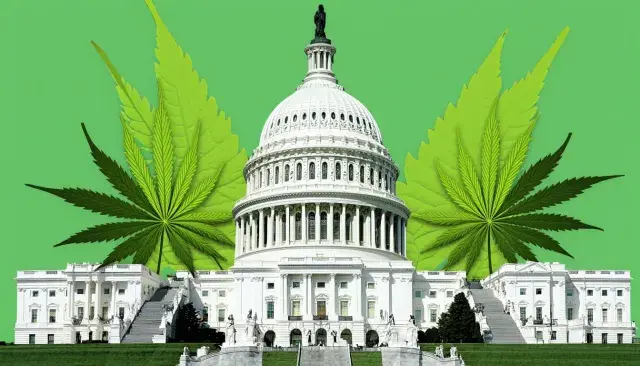
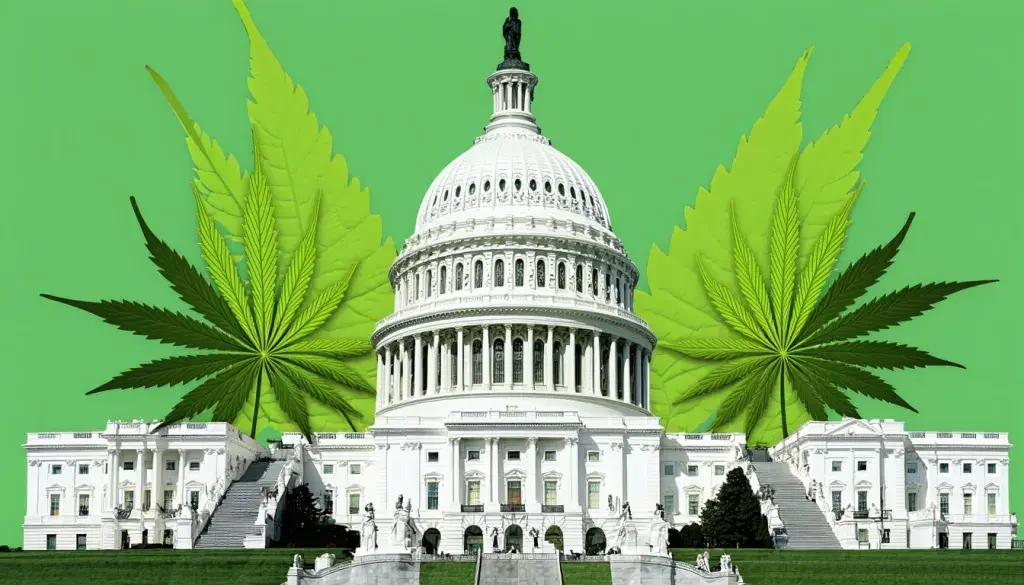
Even as the White House signals it is "very strongly" considering rescheduling marijuana under federal law, a Senate subcommittee heard pointed testimony this week that the move-however significant-would leave intact one of the industry's most stubborn structural problems: its near-total exclusion from the mainstream banking system. The Senate Banking Subcommittee on Financial Institutions and Consumer Protection convened Tuesday around questions of financial access for state-licensed cannabis businesses, with a former Nevada cannabis regulator warning that the absence of safe harbor for financial institutions carries real consequences for public safety, not just profit margins.
Two Different Problems, One Industry
The distinction matters, and it's worth drawing precisely. Rescheduling marijuana from Schedule I to Schedule III of the Controlled Substances Act would represent a formal federal acknowledgment of the drug's medical utility-a change with downstream effects for research pathways, tax treatment under IRS code Section 280E, and the broader political symbolism of reform. What it would not do is grant financial institutions a safe harbor to serve cannabis businesses without fear of federal enforcement action. That protection requires an act of Congress. And Congress, as things stand, has not delivered one.
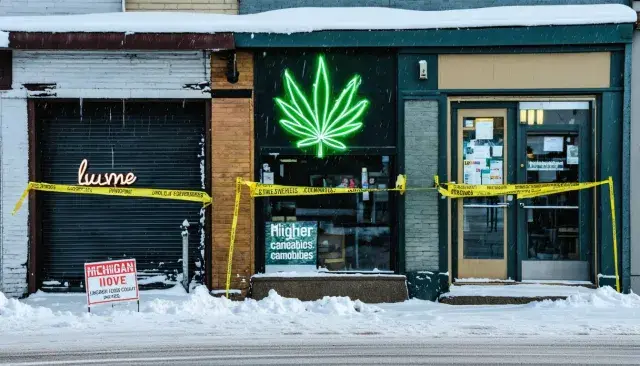
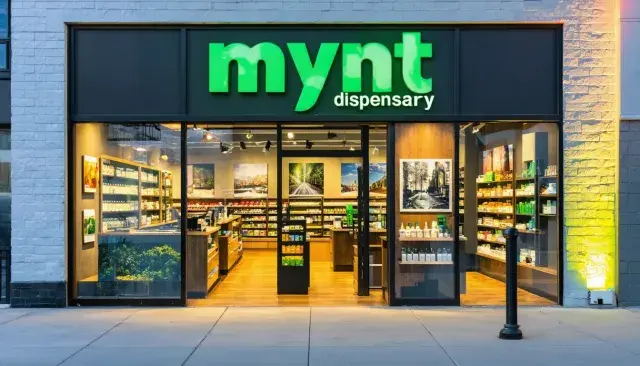
Tyler Klimas, who ran the Nevada Cannabis Compliance Board before founding Leaf Street Strategies, laid the operational reality bare in testimony submitted to the subcommittee. Forty states and territories now operate regulated cannabis markets. Those markets support hundreds of thousands of jobs and generate substantial state tax revenue. Yet the businesses operating within them often cannot open a basic checking account. The result is a cash-heavy industry-one where dispensaries and cultivators move large sums without the audit trails, lending access, or fraud protections that any other legal commercial enterprise takes for granted.
"Allowing clear and certain access to the financial system for state-legal cannabis businesses does not amount to the federal legalization of cannabis," Klimas told the panel. That framing was deliberate. The SAFER Banking Act-the Secure and Fair Enforcement Regulation Banking Act-does not legalize marijuana. It tells banks they will not be penalized by federal regulators solely for servicing businesses that are operating legally under state law. The distinction has been politically muddled for years.
The Regulatory Burden Nobody Talks About
Beyond the economic drag on cannabis businesses themselves, Klimas raised a less-discussed consequence of the banking gap: it degrades the quality of state regulatory oversight. In Nevada, he testified, regulators had to develop workarounds to preserve the state's relationship with its banking partner-including guidance to cannabis businesses on what language to avoid in payment notices. That is not a system functioning as designed. That is a system held together with institutional improvisation.
Nevada built its cannabis regulatory model on the framework of its world-renowned gaming oversight apparatus, with dedicated investigations units designed to understand not just compliance but beneficial ownership-who, ultimately, is profiting from licensed operations. When businesses deal predominantly in cash or struggle to maintain banking relationships at all, that oversight becomes harder to execute. Supply chain data captured through mandatory tracking systems cannot easily be reconciled against financial records that are incomplete, opaque, or nonexistent.
Here's the practical upshot: the banking gap doesn't just inconvenience cannabis entrepreneurs. It creates openings for bad actors to operate within nominally licensed markets with less scrutiny than the regulatory structure was designed to provide. Transparency is a public safety function, and cash-intensive businesses are, almost by definition, less transparent.
Bipartisan Agreement, Uncertain Path
Subcommittee Chairman Thom Tillis (R-NC) and ranking member Catherine Cortez Masto (D-NV) expressed agreement that the banking issue needs federal attention. Tillis, who has broken with many of his Republican colleagues in acknowledging federal responsibility over legal state markets, framed his position in explicitly free-market terms: two-thirds of states have legal cannabis operations, and a functioning federal framework should reflect that reality rather than ignore it.
His hesitation about the SAFER Banking Act specifically centers on a concern that passing it in isolation would remove pressure for a more comprehensive federal regulatory framework-one that would address marketing practices, youth-targeted products, and other conduct issues that remain effectively ungoverned at the federal level. That is a coherent objection, even if critics in the industry argue it sets an unreachable bar that leaves real problems unaddressed in the meantime.
Fair enough on the principle; harder to defend in practice when the alternative is another year of state regulators improvising workarounds and cannabis employees unable to directly deposit their paychecks. The SAFER Banking Act has passed the House seven times across successive Congresses. It cleared committee in the Senate last session. It has not yet been filed in either chamber for the current one.
Sen. Bernie Moreno (R-OH), expected to carry the measure in the Senate this Congress, has suggested the bill would surface in the fall. But that estimate predated a prolonged government funding fight, and the legislative calendar is not moving in favor of cannabis-adjacent bills. Democrats like Sen. Jeff Merkley (D-OR), a past sponsor, acknowledge the issue has been pushed down the priority list. On the House side, the signals are similarly quiet. The SAFER Banking Act exists in a familiar holding pattern: bipartisan sympathy, structural stalemate.
Hemp, Timing, and the Pressure Building Below the Surface
Klimas added one more variable to the equation. Recent federal spending legislation includes provisions that effectively recriminalize a significant portion of the hemp market-a change set to take effect next November. Thousands of hemp businesses, many of which already face banking challenges by association with the broader cannabis category, will soon confront the same policy vacuum that cannabis operators have lived in for years. That expanding pool of affected businesses adds political pressure for congressional action, though whether it adds actual momentum remains to be seen.
The core argument Klimas advanced-and that the bipartisan tenor of Tuesday's hearing seemed to accept-is that the status quo imposes costs that are not distributed evenly. Small and mid-sized cannabis businesses operating on thin margins pay outsized banking fees when they can find a financial institution willing to serve them at all. Ancillary businesses-suppliers, real estate firms, equipment vendors-absorb collateral risk simply by doing business with the industry. And state regulators, trying to run rigorous oversight programs, find themselves working around a federal policy gap instead of through a coherent federal framework.
Rescheduling, if it comes, will matter. But it will not resolve this. Congress knows that. The question is whether knowing it is enough to act on it.