In a striking reversal, The Empowerment Center in Reno, Nevada—a nonprofit recovery facility—has withdrawn its strong opposition to Thrive Dispensary opening next door, citing resolved concerns over potential relapse triggers for clients. This shift, announced via a letter to city officials in mid-October 2019, paved the way for a 5-1 Reno City Council vote approving the license, highlighting tensions between cannabis expansion and addiction recovery in legalized states.
Initial Concerns from Recovery Experts
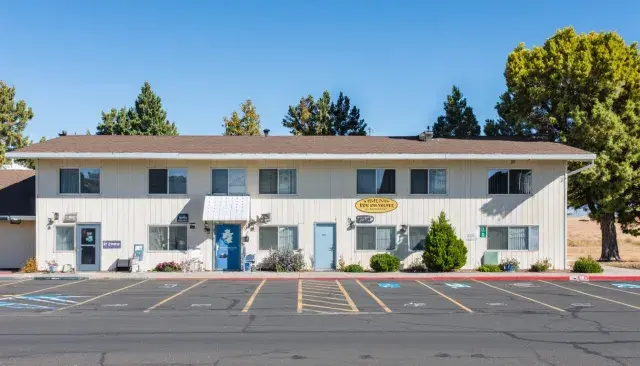
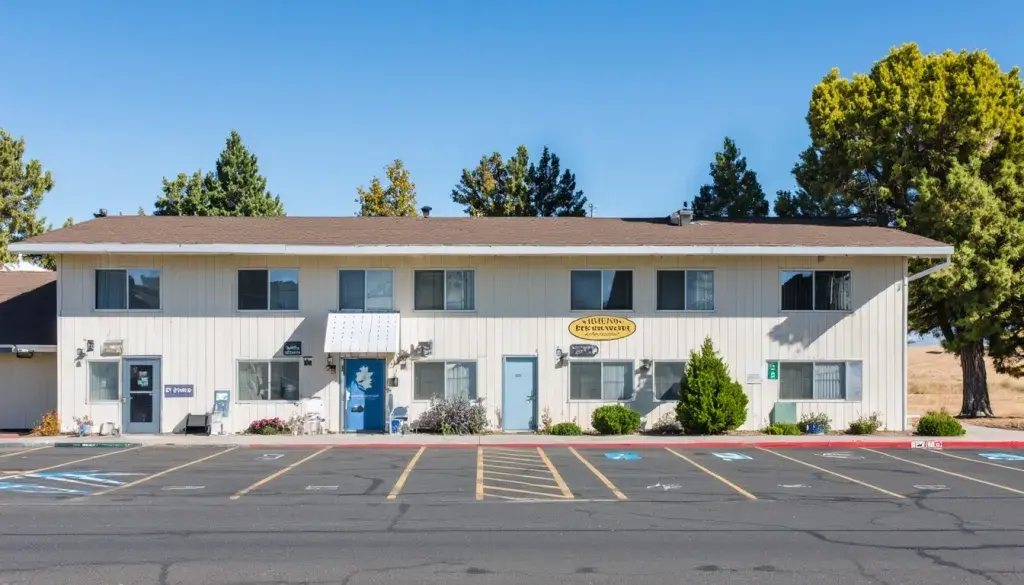
Staff at The Empowerment Center, housed in a refurbished former motel once notorious as a drug den, voiced deep worries about the dispensary's proximity. Peer counselors like Ashley Ward emphasized the psychological discomfort for newcomers in recovery, where mere awareness of accessible marijuana could exacerbate urges. Program director Steve Maxwell highlighted the critical first 100 days of sobriety as the riskiest period, fearing odors or visible consumption from the adjacent single-story office could undermine structured routines of chores, meetings, and motivation.
- Facility features serene landscaping and daily discipline, including beds made by 8 a.m.
- Cannabis smells described as "skunk-like," potentially wafting into recovery spaces.
- Previous objections delayed council votes multiple times.
The Confidential Agreement and Turnaround
Board president Eric Boone's October 15 letter stated Thrive had "addressed all of TEC's initial concerns to its satisfaction." Details remain confidential, but hints point to accommodations aiding the center's $1.1 million capital campaign for new recovery-focused housing. Executive director Roxanne DeCarlo had noted Thrive's interest in helping with relocation, avoiding a stalemate. Dispensary owner David Brown described exhaustive discussions on operations—no odors, no visible logos—ensuring comfort.
Council Debate and Precedent Questions
Mayor Hillary Schieve dissented, decrying "private dealings" that flipped the landscape, contrasting a prior rejection of a liquor store near another recovery center like Northern Nevada HOPES. She grilled representatives, suggesting the support felt bought, urging consistency to avoid a "sloppy" precedent. Thrive's lawyer affirmed a "great resolution" benefiting the center extensively, amid approvals for other dispensaries like Deep Roots Harvest.
Implications for Recovery Amid Cannabis Boom
This about-face underscores evolving dynamics in states like Nevada, where cannabis sales topped $1 billion annually by 2019, yet sensitivity zones near schools, rehab centers, and now casinos (1,500-foot buffer post-2019) spark debates. Public health experts note marijuana's lower addiction risk versus opioids but affirm environmental cues as relapse triggers, per studies showing proximity effects in early recovery. As dispensaries proliferate, confidential partnerships may model pragmatic coexistence, potentially aiding facility upgrades while normalizing cannabis without compromising sobriety programs—though transparency remains key to public trust.