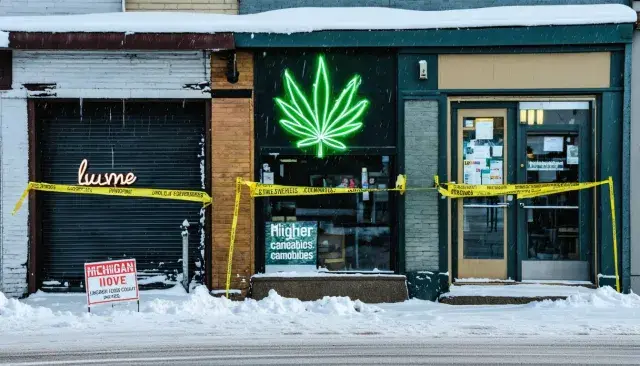
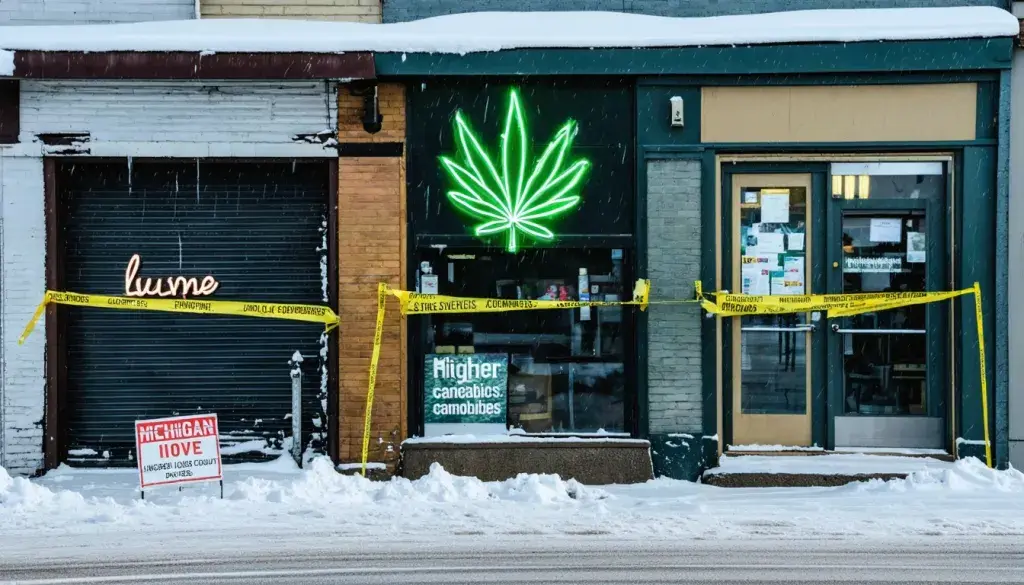
A Menominee Circuit Court judge ruled on November 3, 2023, that three cannabis retailers—Lume, Higher Love, and Nirvana Center—must immediately shut down their operations in the city. The order enforces a prior injunction amid a heated dispute over marijuana business licenses between the newcomers and the city's first two shops, Rize and the Fire Station. This decision highlights tensions in Michigan's expanding cannabis market, where local governments navigate legal challenges to control retail proliferation.
Roots of the Menominee Marijuana Turf War
Menominee, located on the Wisconsin border in Michigan's Upper Peninsula, initially granted licenses to Rize and the Fire Station under a 2021 ordinance that limited operations to those two businesses. Delays in their openings stemmed from lawsuits filed by five other companies, including Lume, Higher Love, and Nirvana Center, which the court dismissed in May 2023 after finding the city's process lawful. The challengers then secured a settlement with the City Council, awarding licenses to themselves and a sixth business while promising to cover the city's legal costs and allowing unlimited future licenses.
Rize and the Fire Station responded by backing a ballot referendum through the Committee to Stop Unlimited Marijuana Shops to let voters decide on the settlement. The council blocked this by repealing the ordinance and passing a near-identical version with added police funding, exploiting a city charter provision that bars referendums on funded measures. The Fire Station opened in July 2023, followed by Rize in August, setting the stage for the current conflict as the council moved to license six new shops.
Judicial Interventions and Alleged Violations
Judge Mary Barglind issued a September 26 preliminary injunction requiring the city to maintain the status quo on marijuana businesses while resolving a lawsuit alleging Open Meetings Act violations in the council's closed sessions. These violations could invalidate decisions to issue new licenses. On October 17, she clarified that licenses issued to entities not open by September 26 at 1 p.m. could not lead to public sales.
Despite this, Lume and Higher Love conducted curbside sales, while Nirvana Center opened its retail store before the clarification. Higher Love affirmed in a court affidavit and public statements that it began transactions on September 15, 2023. City inspections on September 26 confirmed none were open, yet officials did not enforce closure, prompting Rize's attorneys to seek judicial action. The judge found clear violations, noting the city's reluctance tied to the settlement's fee coverage by the new shops.
Immediate Fallout and Path Forward
Higher Love informed customers via Facebook of the temporary closure, attributing it to competitors Rize and the Fire Station and urging patronage elsewhere. Attorney Michael A. Cox, representing Rize, praised the ruling as upholding evidence and law against the council's procedural missteps and the shops' premature openings. Lume and Nirvana Center declined comment during earlier visits.
A November 15 hearing will address whether the closures persist until the February 22 permanent injunction hearing, where Barglind will determine long-term status. This case underscores broader challenges in Michigan's post-legalization landscape: balancing economic interests from cannabis revenue against procedural fairness, voter input, and established business rights. Local decisions often spark litigation as the industry matures, with cities caught between expansion pressures and legal constraints.