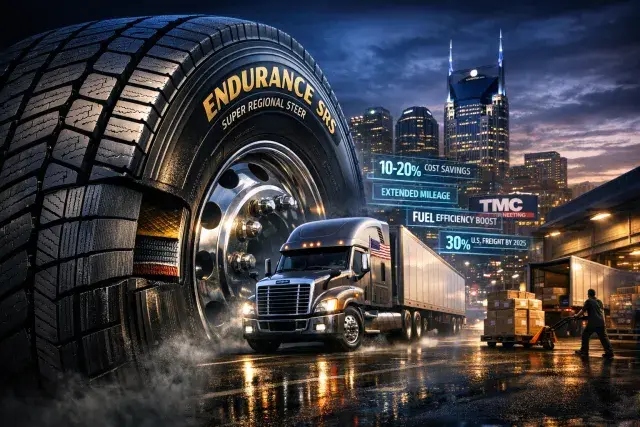
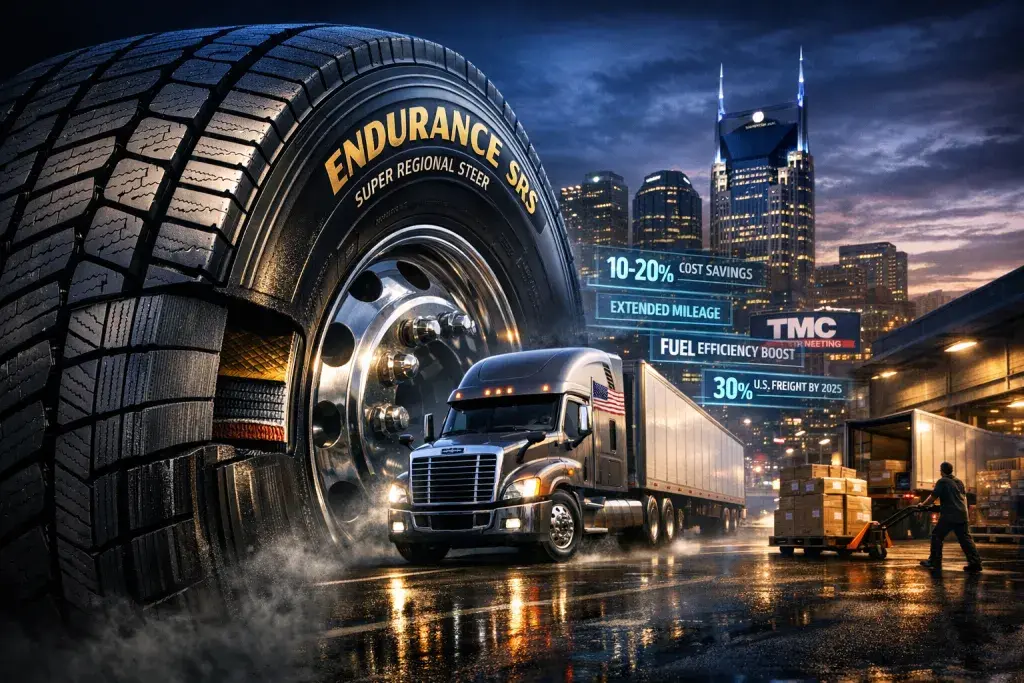
At the Technology & Maintenance Council Annual Meeting in Nashville, Goodyear previewed its upcoming Endurance SRS (Super Regional Steer) tire, tailored for fleets navigating the blurring boundaries between traditional regional and linehaul operations. This innovation addresses a critical gap in tire performance, helping operators achieve better mileage, even wear, and fuel efficiency amid shifting duty cycles.
The Rise of Super-Regional Operations
Trucking fleets are evolving as driver preferences shift toward shorter hauls, with many unwilling to endure weeks-long road stints. This has boosted regional runs, yet operations increasingly mix long highway stretches—up to 500 miles daily—with urban stop-start maneuvers, turning, and scuffing. Super-regional duties demand tires that balance linehaul's fuel economy and steady wear with regional robustness against scrub. Goodyear's response reflects industry-wide adaptation to e-commerce-driven freight patterns and just-in-time delivery pressures, where mixed routes now dominate.
Engineered for Dual-Duty Demands
The Endurance SRS incorporates targeted design elements to extend tread life in high-scrub environments while preserving highway performance:
- Advanced tread compound resists irregular wear from frequent maneuvers
- Rib-edge sipes ensure even wear distribution and higher removal mileage
- 20/32-inch tread depth supports extended regional routes
- Pressure distribution grooves combat shoulder wear
These features strike a precise equilibrium, potentially boosting fleet uptime and cutting replacement costs by 10-20% in mixed operations, based on similar Goodyear advancements.
Fleet Insights Fuel Development
Direct feedback from operators highlighted the need for a tire bridging regional and linehaul categories, prompting extensive testing. As super-regional hauls grow—projected to represent 30% of U.S. freight by 2025—this tire positions Goodyear to capture demand from fleets prioritizing versatility. Broader implications include reduced downtime, lower total ownership costs, and support for sustainable trucking by optimizing fuel use in diverse cycles, aligning with rising regulatory pushes for efficiency.